




The Kenya Rhino Range Expansion
What is the Kenya Rhino Range Expansion?
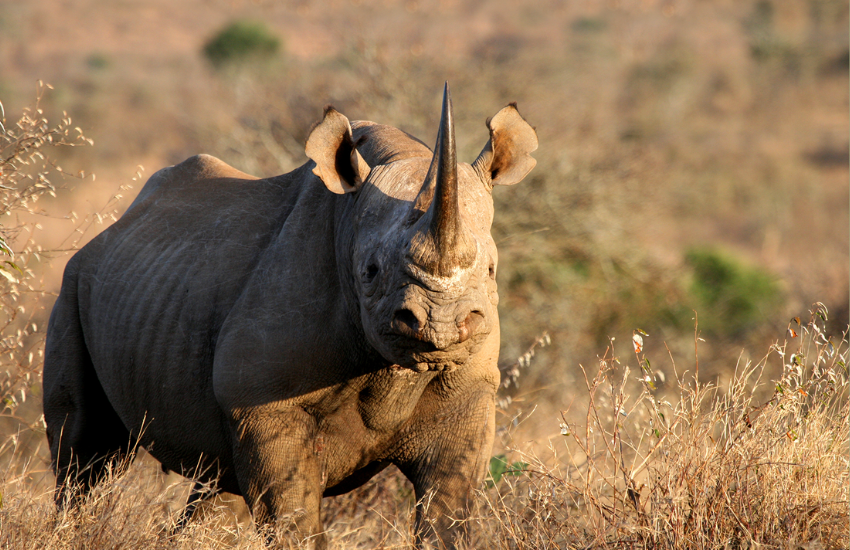
The Kenya Rhino Range Expansion (KRRE) is an exciting initiative working to expand black rhino habitat across Central Kenya. Working closely with the Kenya Wildlife Service and the Association of Private and Community Land Rhino Sanctuaries, KRRE is bringing communities and conservancies together to create new sites where rhino populations can thrive.
Why Is the Kenya Rhino Range Expansion Important?
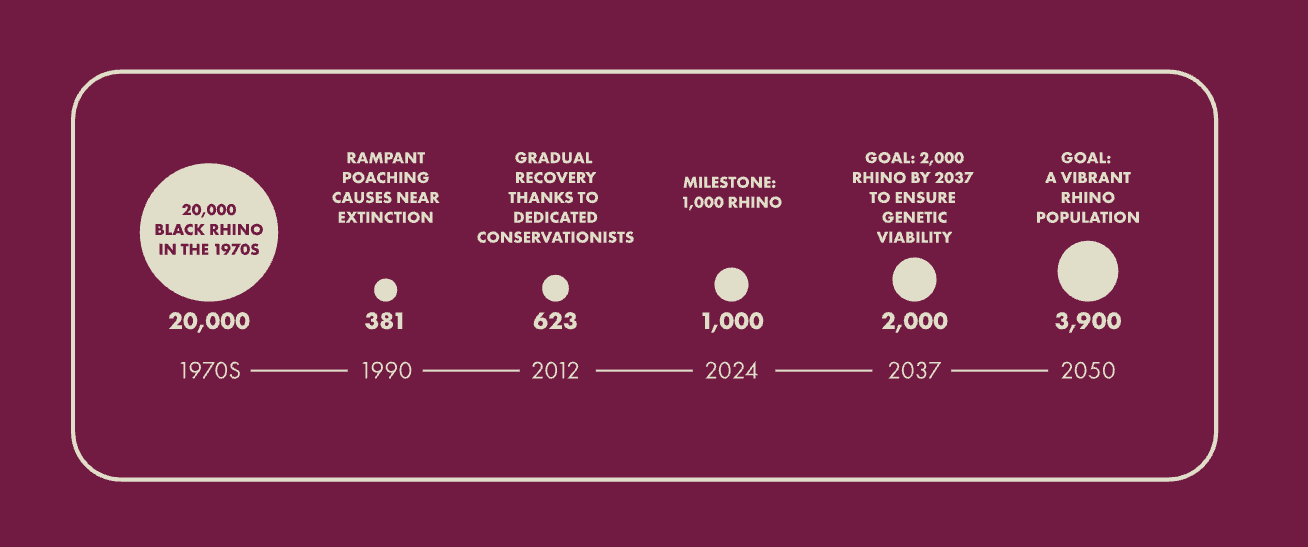
Rhinos in Kenya have made an extraordinary comeback from the brink of collapse. In the 1970s, Kenya was home to around 20,000 rhinos, but by 1990 that number had fallen to fewer than 400 due to poaching activities and habitat loss.
To ensure their protection, previous conservation management strategies focused on protecting rhinos within smaller, isolated sanctuaries that could be heavily safeguarded. Thanks to the success of these conservation efforts, rhino numbers have recovered to more than 1,000, and Kenya is now home to 80% of the world’s Eastern black rhino population.
But this success has created a new challenge: rhinos need room to roam. Habitat fragmentation means many populations are now living in protected areas that have reached their carrying capacity - the maximum number of rhinos the habitat can support. As a result, overcrowding has become a critical issue, leading to increased competition for territory and scarce resources, which can mean fewer calves are born within these populations – threatening their continued recovery. The focus now is on providing the space these growing populations need to thrive and remain viable in the long term.
Expanding Black Rhino Habitat Across Kenya
KRRE is working predominantly in Central Kenya and the Tsavo ecosystem, home to the country’s largest black rhino populations. These landscapes offer exciting opportunities to expand and reconnect habitat, helping relieve pressure on resources, reduce habitat fragmentation and lower inbreeding risk.
KRRE will address the critical issue of overcrowding by identifying and preparing new, secure habitats for rhinos, as well as supporting their safe movement into these areas. The project will work to expand black rhino habitat towards their historical range – the areas rhinos once inhabited – and ensure these areas are large enough to support growing populations well into the future. Giving rhinos more space will allow them to roam more freely, disperse naturally and breed, while helping habitats and ecosystems recover from pressures such as overgrazing.
Kenya aims to reach a population of 2,000 rhinos by 2027, and achieving this milestone will help protect rhino populations against unexpected events that could cause a sudden decline in numbers. Larger, healthier populations with a wider mix of genes are better able to cope with disease and other threats.
The Socio-Economic Impacts of the Kenya Rhino Range Expansion
KRRE looks beyond black rhino recovery, creating lasting benefits for people, wildlife and the wider landscape. Safeguarding Kenya’s natural habitats is essential for wildlife and local communities to thrive and coexist in harmony.
The project will help deliver Kenya’s rhino strategy by providing partners with the tools and expertise they need, supporting project coordination to ensure conservation best practice, identifying opportunities for economic growth linked to rhino range expansion and raising the vital funds needed to deliver key projects.
At the same time, KRRE will empower local communities by creating more than 18,000 new jobs and improving socio-economic stability across Kenya. The programme is also expected to generate over US$45 million in additional revenue for conservancies across the country, while supporting the establishment of at least 20 new rhino conservancies.
Why Does Expanding Black Rhino Habitat Matter?
Expanding and reconnecting habitat is essential to giving rhinos the space they need to ‘rhino-ready’ means upgrading fences and infrastructure, while providing security for rhino populations through regular monitoring. The project also supports rangers through salaries, development opportunities and better tools and equipment to help them monitor and safeguard wildlife.
By giving rhinos the space they need to thrive, while investing in the communities that live alongside them, KRRE will help strengthen long-term conservation efforts for Kenya’s rhinos.