




Conservation Dogs: How Dogs Are Helping Protect Rhinos
International Dog Day gives us the perfect excuse to celebrate some amazing dogs doing some very important work for rhinos. If you share your home with a dog, you’ll know the loyalty, instinct and determination they bring to everything they do. One moment they’re fast asleep, the next, they’re investigating a suspicious crumb from three rooms away. That same loyalty, combined with an extraordinary sense of smell, specialist training and a close bond with the handler, is helping to protect rhinos across Africa. From tracking suspects through thick bush to detecting firearms and wildlife products. Their remarkable skills also support nearby communities and, in Kenya, they have even helped find missing children.
In 2025, through the Big Give Christmas Challenge, our supporters helped fund canine units at three of our partner sites: Hluhluwe-iMfolozi Park in South Africa, Lewa Wildlife Conservancy in Kenya, and North Luangwa National Park in Zambia. Here’s what these amazing dogs (and their handlers) have been up to.
Mafu: Nose to the Ground
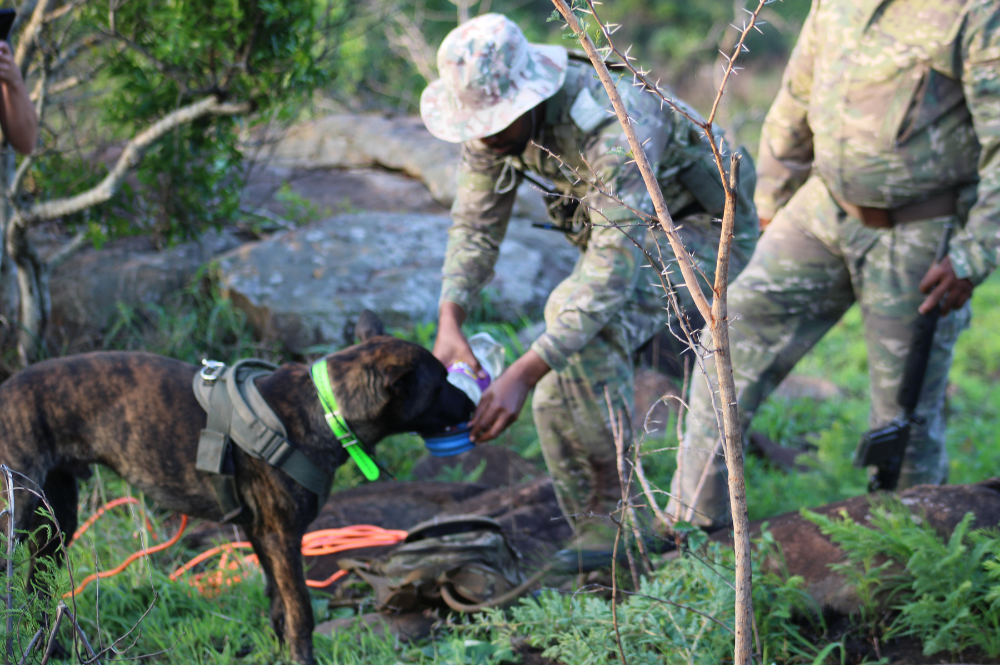
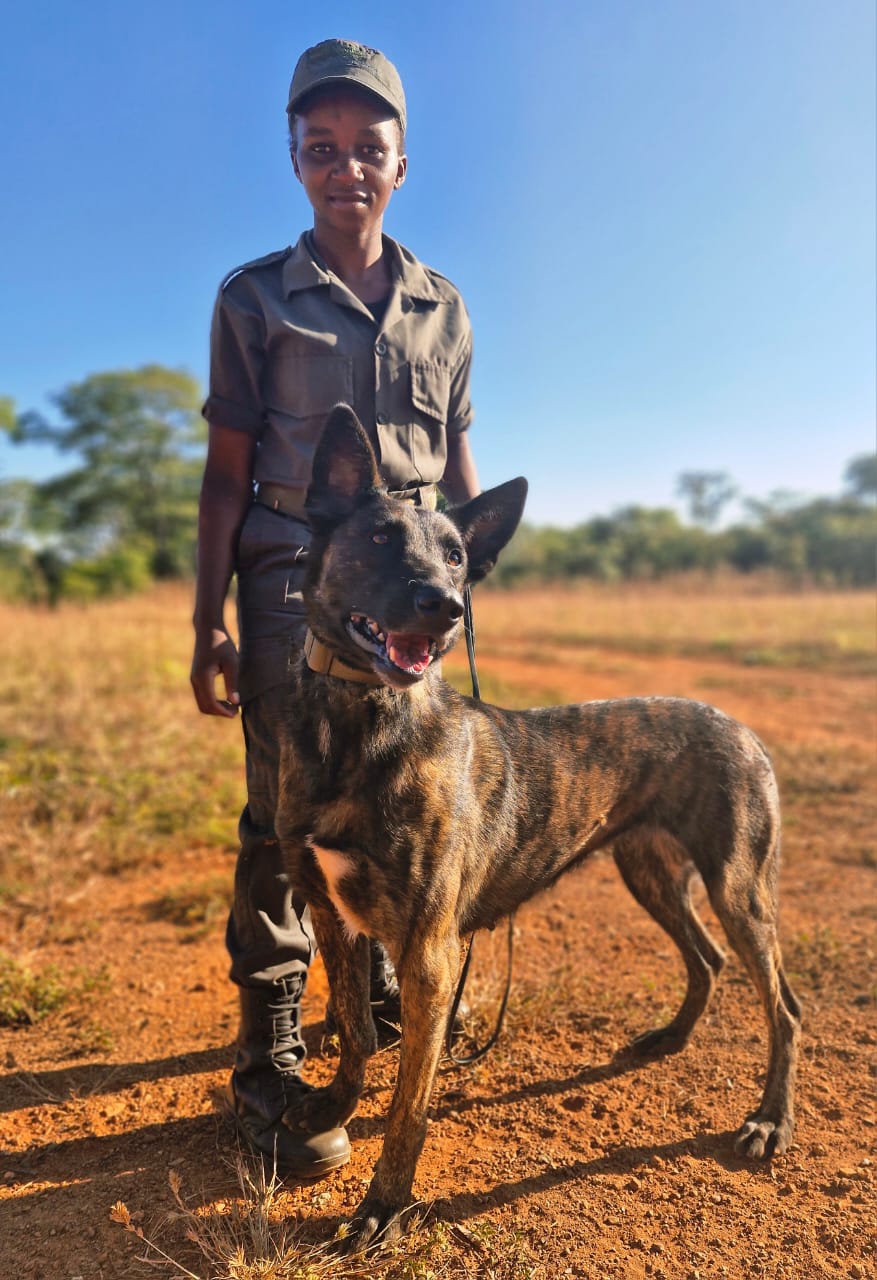
At Hluhluwe-iMfolozi, every dog has a special role. Mafu, an American English Hound, is the tracking expert. She can follow a scent up to 30 hours old, even through thick bush, around elephants and over 45km at night. She’s backed up by Dutch Shepherds Chief and Captain, who move in to apprehend suspects once Mafu has closed the gap. Mafu’s careful, patient training is paying off. She can pick up a lost track in around 90 seconds – a task that could take her as long as 15 minutes a year or two ago. Meanwhile, younger dogs Thunzi and Meva are learning the ropes, ensuring that the next generation can take over when their time comes.
Ruby and Lina: Passing on the Lead
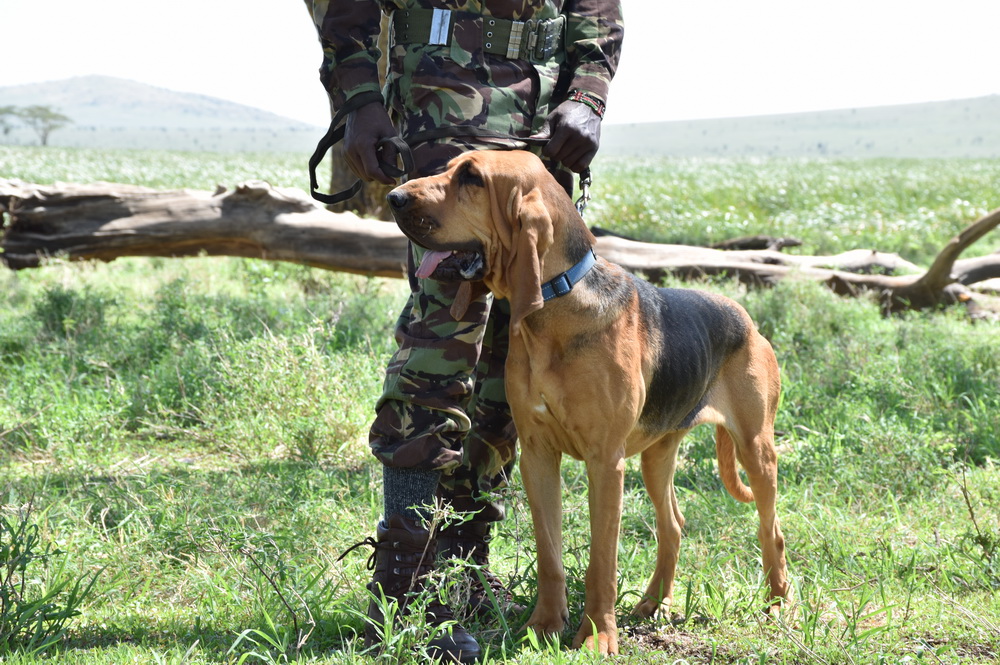
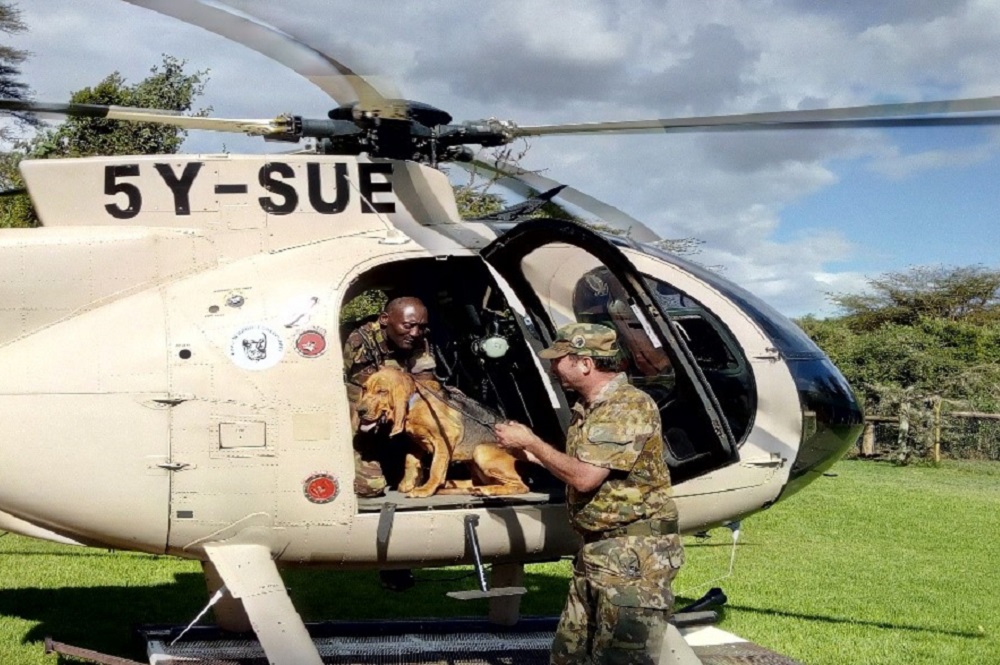
At Lewa Wildlife Conservancy, Ruby is approaching a very well-earned retirement after almost eight years of service. In May, young Lina arrived from South Africa and is now ready to take on the role as Ruby begins to step back. Their handover means that the unit can keep working effectively as Ruby begins to take things a little easier – presumably with plenty of treats included in her retirement pack. The unit has responded to 10 incidents so far this year. This work forms part of a much wider security effort across the Lewa-Borana Landscape, which has not lost a rhino since 2019.
Icke and Valkyrie: Sniffing Out Danger
The dogs at North Luangwa National Park have a different brief. Rather than following tracks, they search vehicles, buildings and open ground for firearms and wildlife products – a little like airport detection dogs.
Between March and June, the unit searched more than 2,000 vehicles at roadblocks and supported operations that led to 22 arrests. Two of its experienced dogs, Icke and Valkyrie, are due to retire soon, so the search for their successors is already underway. Finding a dog with the right temperament, focus and detection drive is no small task, and training can take months.
Different Conservation Dogs, One Shared Purpose
Different landscapes, different jobs, but the same essential ingredients: an extraordinary nose, a handler who trusts it completely, and a bond built through hours of patient, everyday training. It’s not so different from the partnership you have with your own dog—just with rather higher stakes.
So, in honour of International Dog Day, give the dog in your life an extra scratch behind the ears. And spare a thought for Mafu, Chief, Captain, Thunzi, Meva, Ruby, Lina, Icke and Valkyrie – putting their best paws forward for rhinos.