




What happens when conservation success outgrows the strategies that made it possible?
That was the question at the heart of our recent World Rhino Day event, when we brought together leading experts to discuss the challenge arising from African rhino conservation successes: recovering rhino populations are running out of space.
It was a wide-ranging discussion, covering the historical trends of African and Asian rhino numbers, what their behaviour and biology can teach us about effective conservation management, and opportunities for the future.
If you didn’t manage to catch the live event, you can catch up here.
The Main Takeaway From the World Rhino Day Event
History has shown that recovery is possible. If rhinos have enough suitable habitat and are protected from poaching, they breed well. For example, in Africa the Southern white rhino increased from 20-50 animals in the late 19th century to more than 15,000 today. Similarly, the Greater one-horned rhino, found in India and Nepal, has recovered from a few hundred individuals to more than 4,000.
These days, with poaching losses reduced since a decade ago, the main constraint facing growing rhino populations is space. Space in which to live, mate and rear calves. A nice problem to have, but a problem all the same.
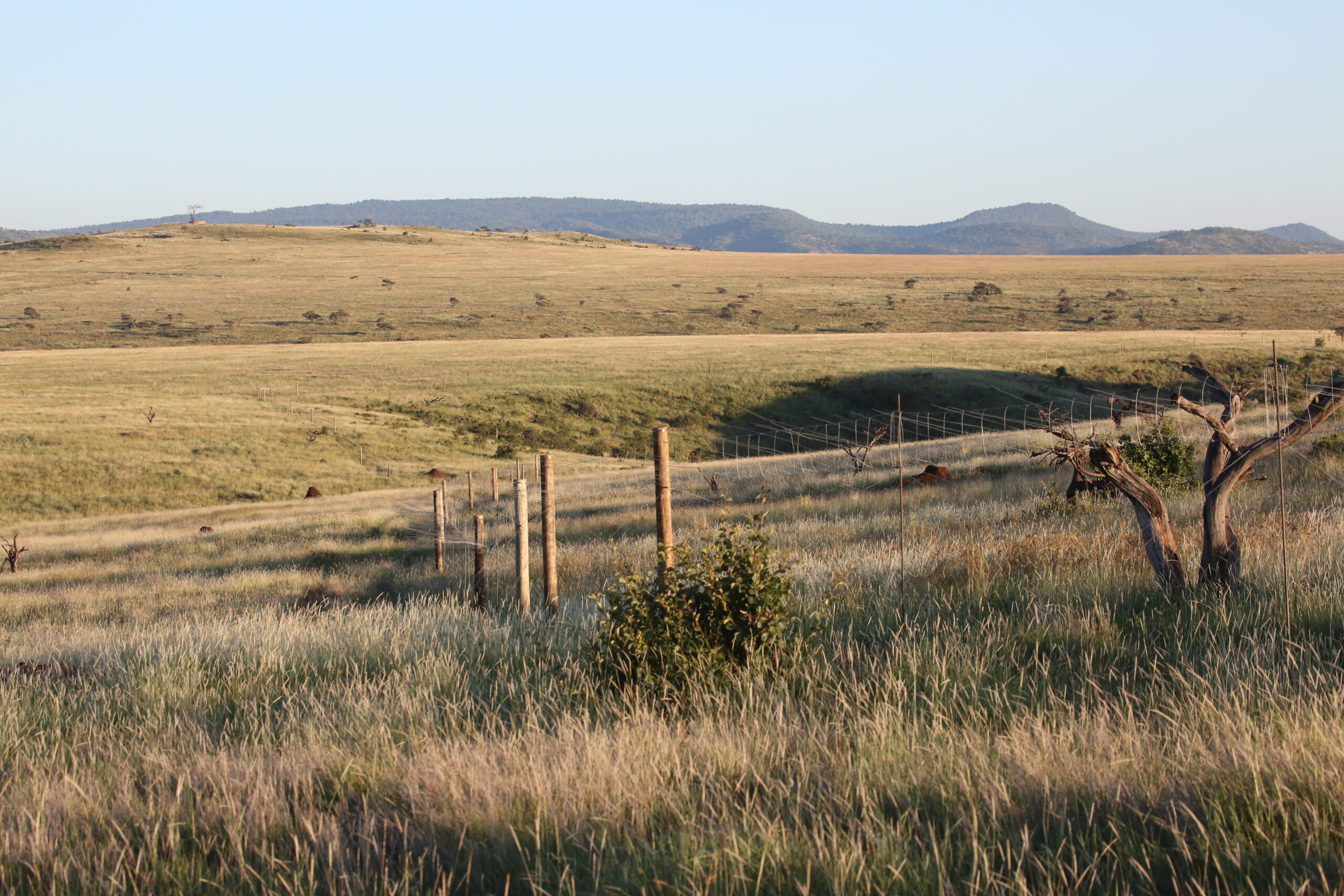
Although poaching statistics have indeed declined, the legacy of the crisis and the continuing threat from the illegal wildlife trade means that rhinos are now almost always found in heavily protected, fenced areas. Unfortunately, this means that populations are fragmented and isolated from each other, limiting the opportunities for young rhinos to disperse naturally and find their own new home range (females) or territory (bulls). In addition, as the population reaches the maximum number of animals that can be supported in a fenced area – sometimes referred to as a “carrying capacity” – there is less food and fewer nutrients available to them. The age at which a female rhino has her first calf increases, and the time for females to recover between calves and breed again takes longer. The net effect is that fewer calves are born, and population growth slows. Space constraints can also lead to social pressures, including more territorial conflict and fighting between bulls as areas become overcrowded, which can be further exacerbated by climate-related pressures such as drought.
The long-term recovery of rhino numbers is therefore dependent on expanding the amount of space available for them: range expansion.
What Is Rhino Range Expansion?
Range expansion means finding new areas for rhinos. Sometimes this simply means that reserves neighbouring existing populations drop the fences between them so the rhinos can slowly spread out naturally. More often, it involves translocating a founder population (the group of individuals initially moved to an area to establish a new population), once the new home has been fully assessed to check the habitat is suitable and the systems are in place to keep rhinos safe.
Best practice is that each new population has a minimum of 20 individuals to have enough genetic diversity to be viable in the long-term. But it’s also important to balance the need for a mixture of genetic lineages with bringing rhinos from the same area who already know each other, as these social bonds help rhinos settle and become established (start breeding) more quickly. Years of experience in creating new black rhino populations have shown that it’s best to introduce all the animals to a new area at the same time. If males have settled and established their own territories, and then new adult bulls are added later, that can lead to fighting and even mortalities.
Of course, no conservation method is without its challenges and rhino translocations are complex – and expensive – operations involving tranquilising rhinos, loading them into crates for transport, and safely offloading them into the best spots in their new home. Decades of practice have created highly experienced veterinarians and wildlife capture teams capable of running these operations very smoothly.
Rhino Range Expansion in Practice
Kenya
The Kenya Rhino Range Expansion (KRRE) initiative is an exciting new project working to overcome the space challenge. Working closely with the Kenya Wildlife Service and the Association of Private and Community Land Rhino Sanctuaries, KRRE is working to identify and prepare secure habitats for rhinos, and then facilitating their safe movement into these areas. The project mainly works across Central Kenya and the Tsavo ecosystem – the homes to the country’s largest black rhino populations. In Tsavo, KRRE is expanding and securing rhino habitat by building infrastructure and strengthening on-the-ground protection, creating more than 30 times more space and alleviating pressure within previously overcrowded areas.


Botswana
WWF-South Africa’s Black Rhino Range Expansion Project (BRREP) has been working to expand the range of rhinos in South Africa since 2003, and recently announced the successful translocation of 20 black rhinos from South Africa to Botswana, effectively doubling Botswana’s black rhino numbers. This not only marks an exciting example of cross-border collaboration between range states, but the 18th new rhino population created through the BRREP. A key aspect of this project was identifying secure areas of at least 20,000 hectares, echoing our panel’s discussion of the minimum habitat size rhinos need to thrive.
Namibia
In Namibia, black rhino populations have been created on privately and community-owned land since 1993 under the country’s black rhino custodianship programme. Over time, rhino numbers have increased steadily, and Namibia is one of the few countries where black rhino populations exist and are growing outside of designated protected areas. Today, Namibia’s community conservancy land supports the only free-ranging black rhino population through long-term partnerships between communities, government, and conservation organisations. Earlier this year, the Black Rhino Association of Namibia (BRAN) was launched to link these sites, share experience and support rhino conservation planning.
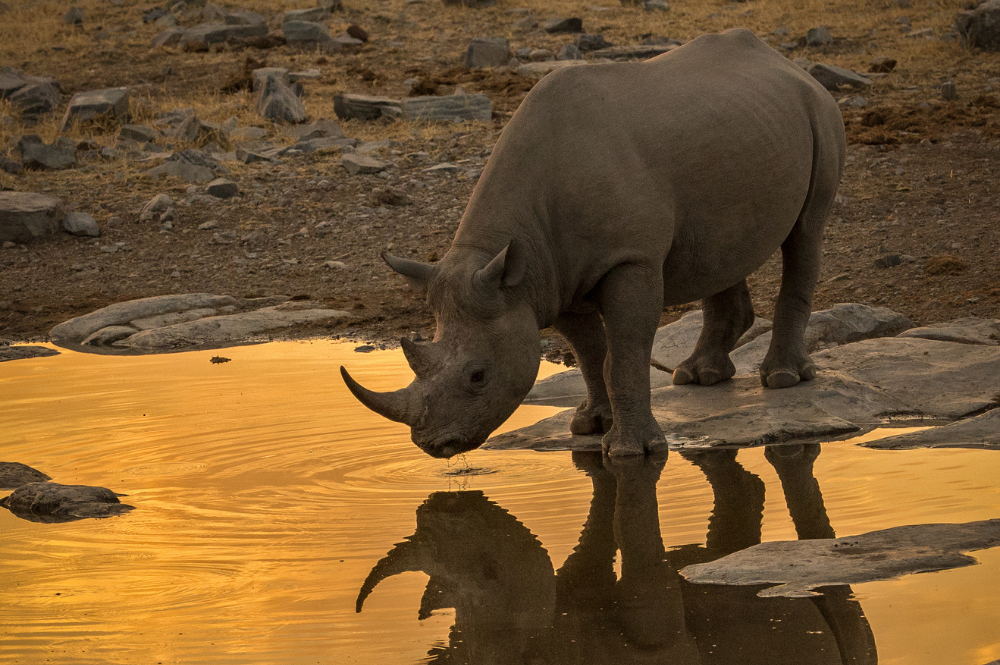
As more rhino populations reach the limits of their current habitats, it’s clear that range expansion will continue to be central to the next chapter of rhino conservation.
The Future of Rhino Conservation
Despite the challenges that range expansion can pose, it offers exciting new opportunities – which we must learn from, and build on, if we’re to secure the long-term recovery of rhino populations.
Rhino populations require large areas in which to thrive. Ensuring rhinos have sufficient space also means that other wildlife, and the people, sharing the same landscape benefit. This work isn’t just about expanding and reconnecting habitat, it’s also about community. Range expansion connects people with the rhinos that share their home, boosting local socio-economic value by creating jobs, strengthening people’s connection to their natural landscape, and unlocking opportunities for ecotourism. In turn, this helps build a more sustainable, long-term business model around conservation – one where people in these areas are engaged, connected, and empowered as genuine partners.
Because, ultimately, the future of rhino conservation isn’t just about space for rhinos: it’s about building a future where people and wildlife can thrive together.