




International Day of Biodiversity, the Kunming-Montreal Global Biodiversity Framework and rhinos
When we think of rhino conservation efforts, we think of boots on the ground action – a rhino monitor silently tracking a mother and her calf early in the morning to check on their health. But to leverage the level of action needed to address the major threats facing all five rhino species, co-ordinated and sustained efforts are required at an international level, through global treaties such as the Convention on Biological Diversity (CBD).
Rather than focusing on individual species (such as rhinos), it considers the big picture – how all plants, animals, and environments work together as a vital, functioning, global system. Within the CBD, the GBF (Kunming-Montreal Global Biodiversity Framework) is essentially the “Paris Agreement for Nature“. Adopted by 196 countries in December 2022, it is an ambitious global master plan designed to halt and reverse the destruction of the natural world by the year 2030 and acts as a powerful universal scorecard to hold countries to account.
The Kunming-Montreal Global Biodiversity Framework and Rhino Conservation
As a global agreement and action plan, GBF shines a light on the need for all countries to take the necessary actions to halt human-induced extinctions, manage and restore ecosystems, and maintain the integrity of all ecosystems.
For the rhinos we work to conserve, GBF clearly provides a powerful framework at the highest level to make sure governments prioritise the actions essential for their future survival. For example, the GBF target to tackle illegal wildlife trade requires law enforcement action by countries along entire trade chains – from range states, across transit routes into consumer countries – and to report on their progress.
One of the most high-profile GBF targets, the goal to protect and manage at least 30% of the planet by 2030, will help ensure safe space for all five rhino species.
Why Rhinos Are Important for Biodiversity Conservation
At Save the Rhino, we see the fate of the five rhino species act as powerful test cases and visible indicators of how effectively important ecosystems are being conserved around the world.
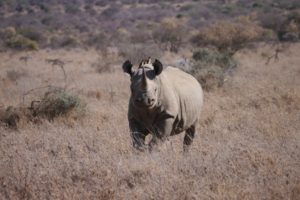
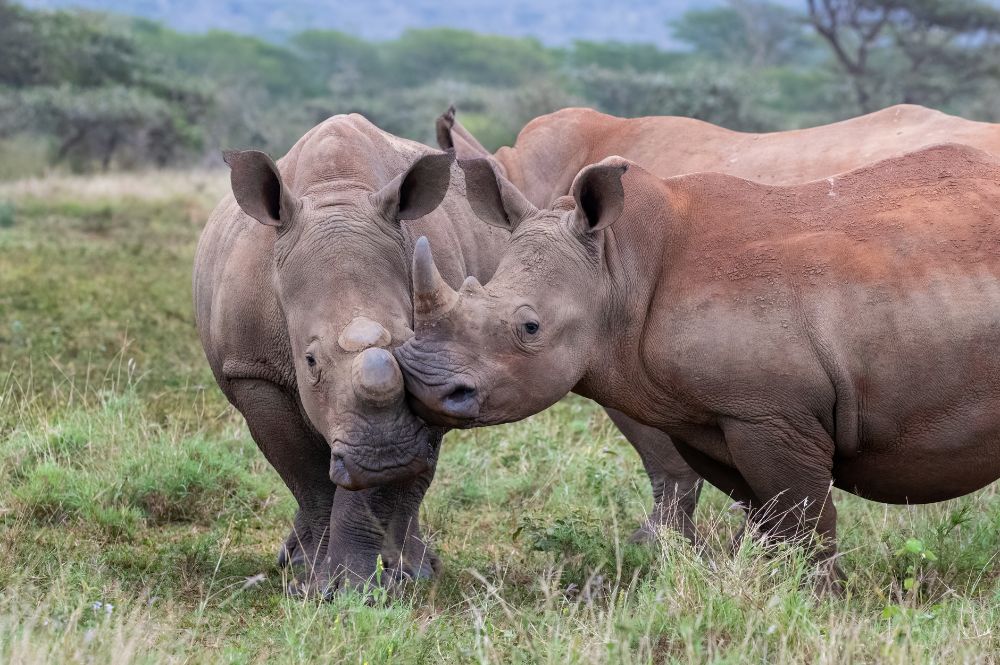
Rhinos are considered “umbrella” species: as big animals they need large amounts of food and so tend to be wide-ranging across landscapes. A healthy population of rhinos needs a large, secure landscape to thrive. By conserving habitats for important rhino populations, large landscapes are protected for numerous other species that depend on the same habitat.
Across Asia and Africa, many other endangered species such as orangutans, tigers, elephants, wild dogs and countless bird and insect species which are crucial to the unique biodiversity of different regions benefit from rhino conservation efforts.
Umbrella species can also provide a barometer for the health of the habitat, meaning that if a rhino population is thriving within an area, it indicates that the ecosystem is likely functioning well.
Rhinos, Illegal Wildlife Trade and Ecosystem Protection
However, rhinos act as more than just ecological indicator species. The very high prices paid for their horns on the black market mean that they face some of the greatest threats from the transnational organised networks targeting wildlife.
Keeping rhinos safe requires us to commit to very high standards of protection – dedicated ranger teams, powerful technology and strong relationships with communities. Just as other species benefit from the habitat conserved for rhinos, animals like pangolins, elephants and many others targeted for illegal trade – as well as people living in these areas – also benefit from the stability and security which can come from effective protection systems for rhinos.
Community Collaboration and Rhino Conservation Success
Rhinos also bring people together. We know that rhino conservation works best where there is strong collaboration between people from different organisations and spheres, and across sectors.
These relationships can help create the conditions for broader local conservation action, benefiting many other species as well as people dependent on healthy ecosystems.
All these factors support our vision of rhinos as evidence of effective landscape conservation for nature and people.
International Day of Biodiversity and the Future of Rhino Conservation
We recognise the importance of nature for the health and future of the planet, the need for biodiversity conservation action globally to support the work of rhino monitors, rangers and all grassroots conservation efforts. On the International Day for Biological Diversity (IDB), we will continue to look to rhinos as indicators of success – and of the risks of failure.
#BiodiversityDay #Rhinos #Umbrellas #ForNature #KMGBF