


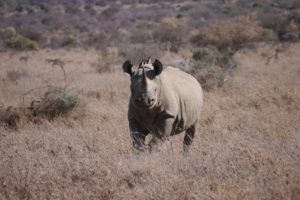


As its rhino population grows, the skillsets of Borana’s rangers also rise
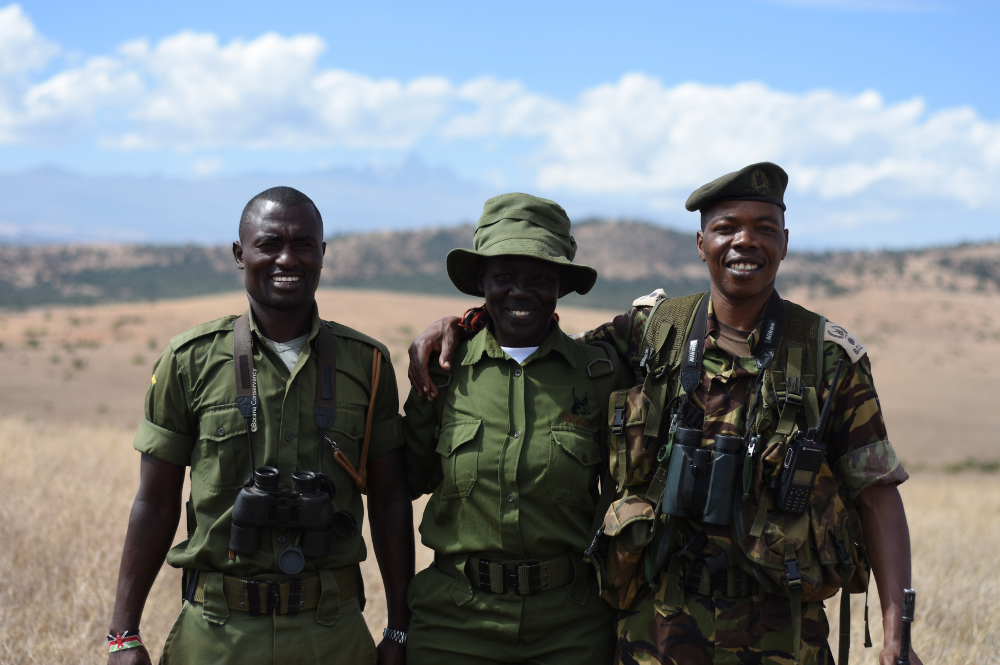
On Kenya’s Laikipia Plateau, Borana Conservancy forms part of a connected ecosystem shared with neighbouring areas, with no fences to restrict wildlife movement bar that of rhinos. Across this vast terrain, rangers carry out daily rhino monitoring – physically demanding work that requires constant focus and discipline. Supporting this work, 51 Degrees Ltd has been working alongside Borana to deliver specialist training, bringing operational experience to the Conservancy.
Specialist ranger training at Borana Conservancy
Last summer, eleven newly recruited National Police Reservist (NPR) rangers from Borana Conservancy took part in a 21-day Advanced Tactical training course. It was demanding from the outset: long days in the field; challenging real-world scenarios; and a close assessment of how each participant responded under pressure. By the end, all eleven had reached a high standard, proving that they could carry out the techniques in a calm and consistent way that would translate to real-life situations. That shift has already been visible on patrols, where reporting has been clearer, communication sharper, and decisions made with greater confidence.
Building essential skills for wildlife protection
Alongside these tactical training courses, rangers have been building skills in other areas of their work. Three rangers travelled to Lewa Wildlife Conservancy for guided-walk training, focusing on how to lead visitors safely on foot in rhino habitat. A deep understanding of animal behaviour is essential, as are maintaining safe distances, and ensuring that every encounter is handled responsibly. Elsewhere, at Mugie Conservancy, members of the Borana team took part in a practical First Responder course, working through the realities of medical emergencies in remote conditions. The hands-on training covered everything from controlling severe bleeding to airway management, and has left the rangers involved much more confident of being able to deal with medical crises in the event of situations arising where professional help may be far away.
How rhino monitoring supports conservation at Borana
On Borana, teams cover nine zones, tracking animals across varied terrain and recording sightings and behaviour using smartphones issued for field data collection. The results of these training sessions are tangible, with patrol teams returning with more consistent and detailed information that is fed into Borana’s EarthRanger™ system, thus helping to build a clearer picture of what is happening across the landscape. Rhino sightings have become more regular, with nearly all individuals now being spotted and accounted for daily.
Rhino population growth and new calves in Kenya
This year has already seen several new calves born, alongside the careful tracking of breeding patterns and population growth. It is the outcome Borana has worked towards for years, built on consistent protection and long-term vision.
Expanding black rhino populations across Laikipia
There have also been positive steps taken to strengthen rhino populations beyond Borana’s boundary. Rhinos have been translocated from Borana and Lewa conservancies to establish new populations, including the reintroduction of black rhinos to Segera. With the Kenya Rhino Range Expansion initiative now in full swing, it is hoped such translocations will grow as part of a wider, coordinated effort across Laikipia to re-establish black rhinos throughout their former range. More details of this endeavour can be found here.
Supporting rhino conservation through the Anna Merz Rhino Trust
Save the Rhino International and Borana Conservancy are so grateful to the Anna Merz Rhino Trust for its longstanding and continued support. The Trust’s funding is directly reflected in the training delivered, the conditions improved, and the continued protection of rhinos across this landscape. This progress would not have been possible without the Anna Merz Rhino Trust. Thank you.