




Women in Wildlife Conservation and Female Rangers in Africa
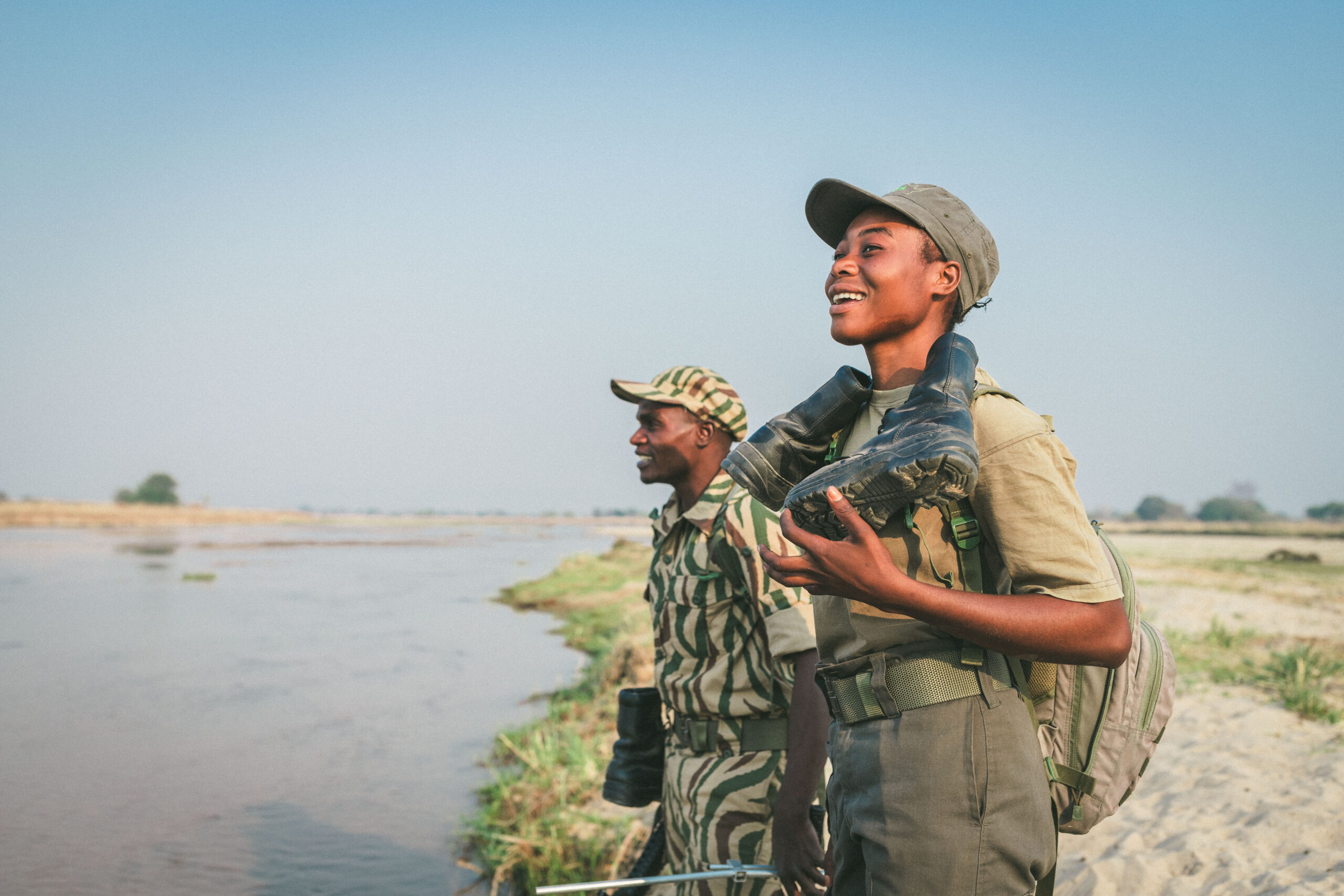
As we mark Female Ranger Week, we’re celebrating the women working in conservation across Africa and Asia. From rhino monitors and canine handlers to mechanics and community scouts, women are playing an increasingly important role in protecting wildlife and supporting their communities.
This story from Zambia’s North Luangwa National Park explores how one conservation programme is working to create more opportunities for women in the field and build a more inclusive future for conservation.
Female Rangers and Gender Inclusion in Conservation
When you think of rangers working in some of Africa’s remotest national parks, perhaps you’re imagining men in full camouflage in a hostile environment. But as James Brown’s famous song goes, the man’s world “wouldn’t be nothing, nothing without a woman or a girl”. Ignoring the double negative, James was right!
Women in Wildlife Conservation in Zambia’s North Luangwa National Park
In common with many other areas, in North Luangwa National Park, in Zambia’s Luangwa Valley, women have traditionally been vastly under-represented in the wildlife conservation sector.
Women’s share of employment in this field was minimal, even in entry-level positions such as the community scouts, who are hired from communities surrounding the Park for wildlife policing and protection.
For the last five years, the North Luangwa Conservation Programme (NLCP) has placed a greater emphasis on gender, diversity, equity and inclusion to address this imbalance.
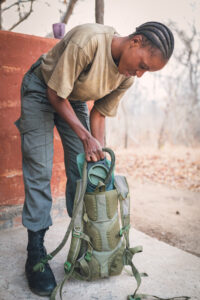
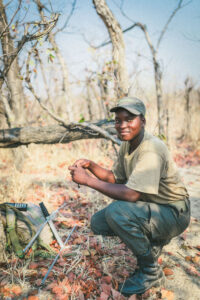
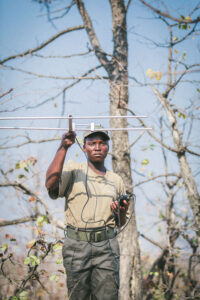
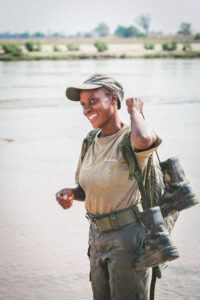
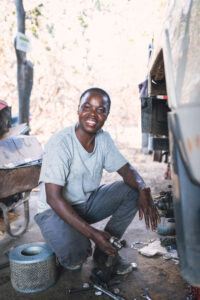
Creating Opportunities for Female Rangers and Conservation Staff
Efforts have focused on increasing female representation in the Park’s wildlife sector by focusing on training for female and male staff and their spouses; spousal visits to the Park to increase understanding of the work involved; and equipment, kit and resources to cater to women’s needs in the field.
As one aspect of this work, we’ve held a series of training sessions for our law-enforcement teams working within the Park and the surrounding Game Management Areas to address the deeply rooted perceptions of gender roles within conservation enforcement.
During 2024, a total of 40 women and 116 men participated in the sessions, which provided a platform for critical reflection on the roles and responsibilities of men and women in society.
The training explored how these roles impact women and aimed to deepen participants’ understanding of gender differences and the dynamics of power.
Gender Equality and Wildlife Conservation Leadership
A key focus was on identifying who holds power in society and how gender equality can benefit community-based resource management and decision-making. Discussions emphasised how balanced representation, in which both women and men have equal rights and opportunities, leads to more inclusive and effective natural-resource management. Participants acknowledged that traditional male-dominated decision-making structures often marginalise women, limiting broader community progress. Through these discussions, many participants recognised the disadvantages of excluding women from leadership roles, especially in areas such as land ownership and governance of natural resources.
How Gender Inclusion Strengthens Conservation Efforts
During the training, it was observed that men are often given greater authority in decision-making, while women are expected to remain silent, even on matters that directly affect them. Participants reflected on how these norms perpetuate inequalities and weaken conservation outcomes. The sessions helped participants understand that gender inclusion is not only about fairness, but also about improving effectiveness in conservation work by ensuring all voices are heard and valued.
The Future of Women in Wildlife Conservation
Future gender-awareness sessions will continue to be facilitated for law-enforcement personnel to normalise gender diversity and inclusion within our structures.
These efforts aim to break the long-standing norm of law enforcement being associated predominantly with men, and to create an environment where both men and women can contribute meaningfully to conservation efforts.
Meanwhile, our female rangers, vehicle mechanics, drivers, canine handlers and rhino monitors are a highly valued part of our team.