





Water is vital, yet in many parts of the world it is a resource that cannot be taken for granted. Seasonal rains in East Africa can be unpredictable, and prolonged dry spells place enormous pressure on both humans and wildlife. In the 32,000-acre Borana Conservancy in Laikipia, Kenya, securing reliable water sources is essential to protect the ecosystem, support wildlife populations, and sustain the dedicated teams who patrol and conserve the land. The Mpala borehole project is one such initiative solving these problems head-on to ensure water is available where it is needed most.
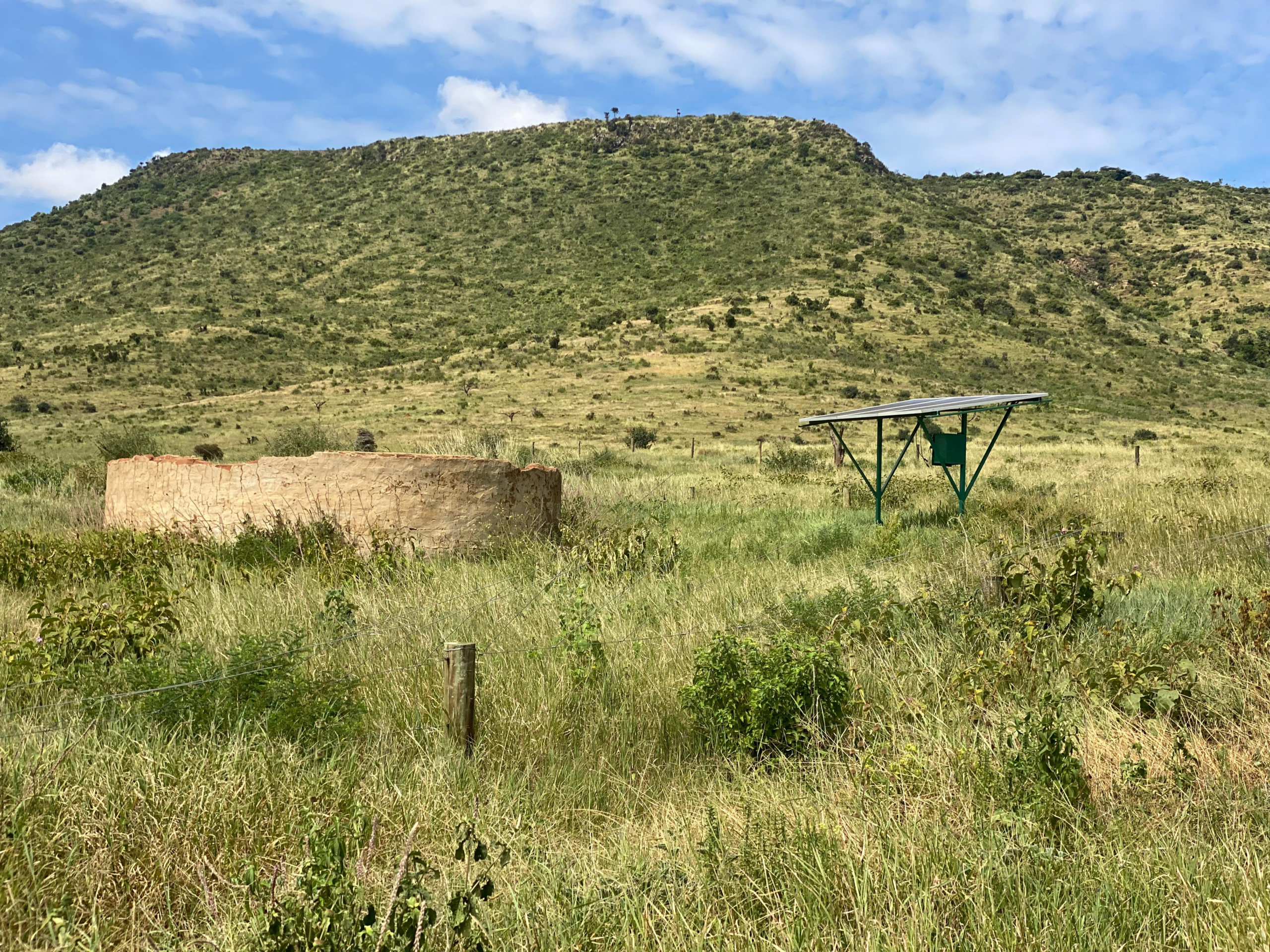
The Mpala borehole is tactically located near several black rhino range territories on the Ngare Ndare side of the Conservancy. Until recently, this borehole was under-utilised and required a series of repairs to become fully operational. Thanks to generous funding from the Anna Merz Rhino Trust, the Conservancy was able to take decisive action. JB Drilling was hired to re-drill and clean the borehole, whilst solar panels and a solar pump were installed to provide an energy efficient clean water supply. In addition to this, the Conservancy’s in-house team built a protective fence around the borehole, protecting it from unwanted wildlife encounters and ensuring its longevity.
Even though the borehole has since become fully operational, heavy rains seen across the region have meant that it has not yet been needed. Whilst spending this time and money on infrastructure that is not currently needed may seem counterintuitive, it in fact highlights one of the project’s key advantages: drought proofing.
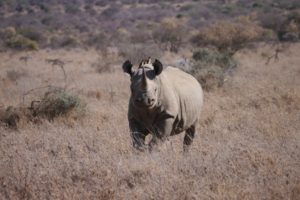
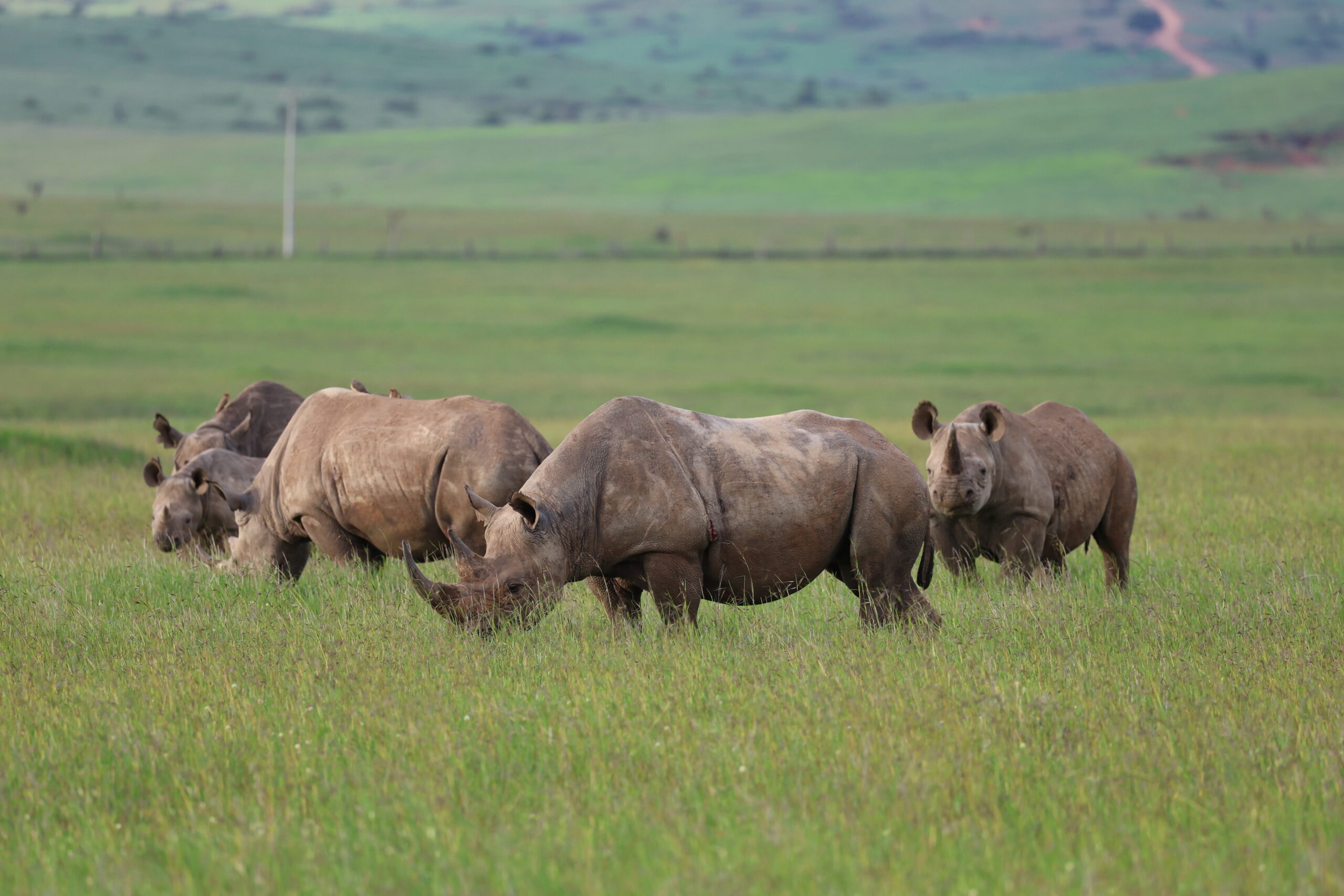
Water scarcity is one of the biggest challenges for rhinos, particularly during the dry season or tough droughts when natural water sources may disappear. Without readily available water, rhinos are forced to disperse, potentially pushing them into the territories of other rhinos, leading to territorial disputes. Aside from rhinos, the borehole will serve as a water point for all wildlife in the surrounding area, from honey badgers to Grant’s gazelles, monitor lizards to ostriches. The ripple effect of a single borehole is significant, enhancing the health of the entire ecosystem.
Secondly, the borehole benefits the Ngare Ndare Ranger Outpost, home to a team responsible for daily patrols and rhino monitoring. Rangers often work long hours in remote areas under difficult conditions, and access to fresh water is essential for their health, safety, and efficiency. The next stage of the project will see a pipeline built from the borehole to the outpost, ensuring a constant supply of water for both the team and their operations. This initiative strengthens the overall conservation effort, allowing rangers to focus on protecting wildlife rather than worrying about such necessities.
The borehole project coincides with encouraging developments in the population trends of the resident black rhinos. By providing water to rhinos in the dry season, the Mpala borehole reduces stress and competition, improving breeding success and survival rates. Borana Conservancy has already taken proactive steps to ensure the borehole is sustainable in the long term. The works department will maintain the borehole and its fencing, while the next phase involves the installation of pipelines and water points that will further extend its benefits.
Projects like the Mpala borehole demonstrate that conservation is about building resilience, protecting whole ecosystems, and preparing for a secure and sustainable future. None of this would have been possible if it was not for the generous funding of the Anna Merz Rhino Trust. Thank you.