




Climate Change and Rhino Habitats
Across the world, water shapes the landscapes that surround us, carving rivers, feeding wetlands, and nourishing grasslands. It sustains the habitats where wildlife eat, rest, and raise their young. These delicate systems underpin all life on Earth, yet they are changing rapidly. Rivers change course, wetlands shrink, and the consequences ripple outward – forcing animals and people to adapt, compete, and survive.
Climate Change and Rhino Habitats in Kenya’s Laikipia County
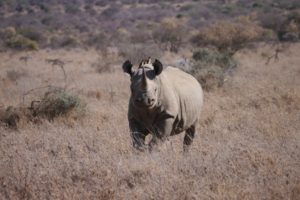
In Laikipia County, Kenya, prolonged droughts have become more frequent and severe, leaving rivers dry and pastures bare. The once-reliable Ewaso Nyiro River, which supports wildlife through the dry season, now often runs shallow or disappears entirely. As grasslands dry and water sources shrink, rhinos rely on limited rivers and water points within the conservancies to survive.
The pressure of parched landscapes concentrates wildlife in these remaining pockets. Competition for limited resources amplifies natural pressures: dominant bulls clash over territories, mating attempts falter and calves face greater risk of mortality. As a dry season stretches on, the search for water shapes every aspect of rhino life, from their movements and social behaviours to the survival of the next generation.
How Climate Change Affects Rhino Habitats in Namibia’s Kunene Region
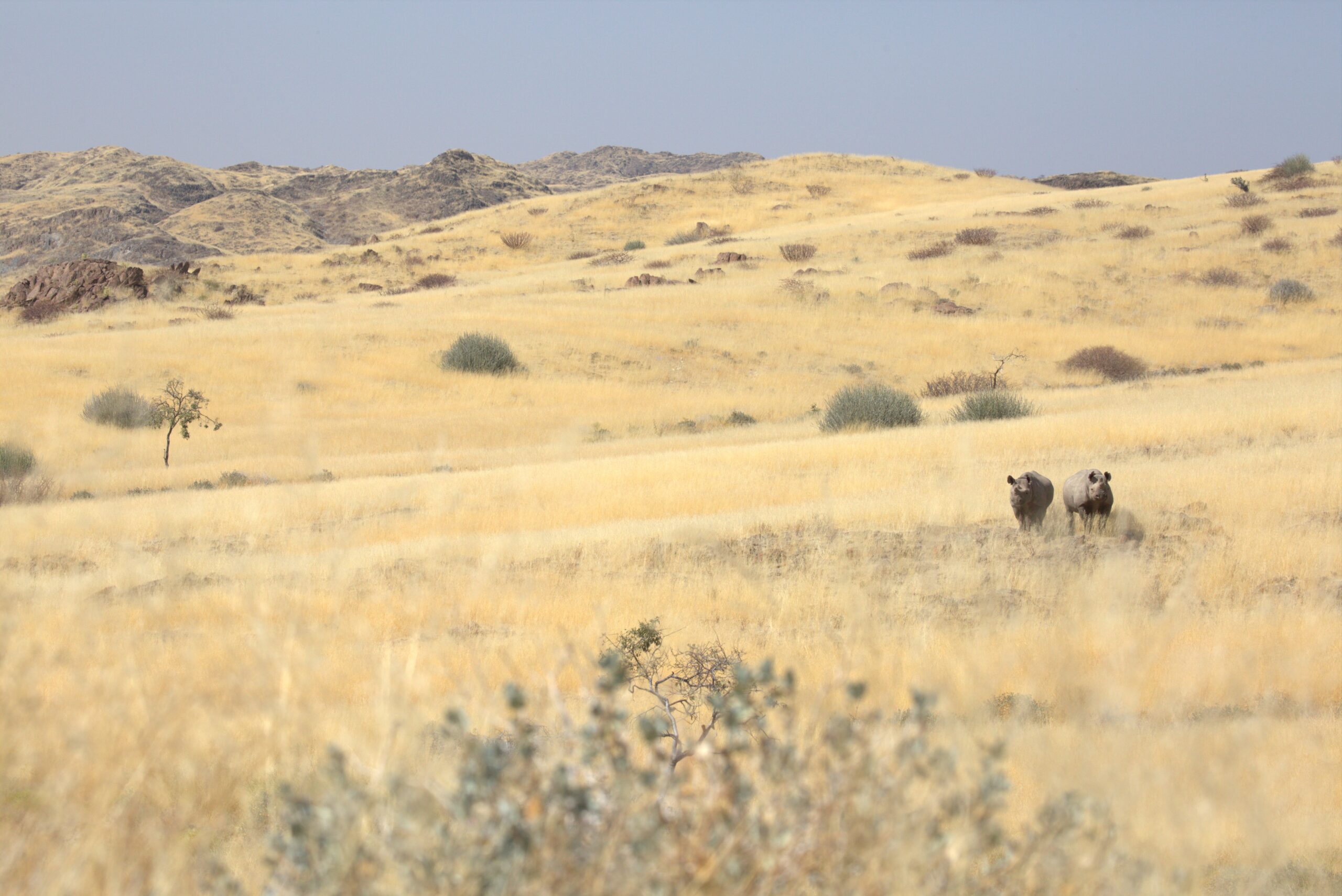
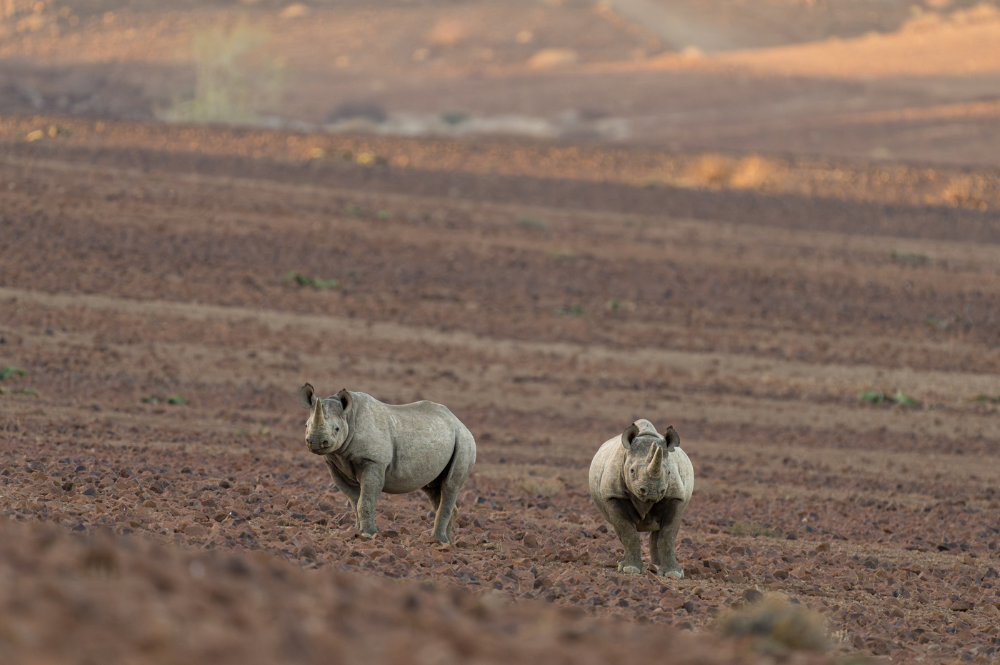
In southern Africa, the arid Kunene Region of Namibia paints a similar picture. Here, the desert-adapted South-western black rhino (Diceros bicornis bicornis) wanders vast distances in search of moisture-rich plants. These extraordinary animals survive on sparse, drought-hardy shrubs and succulents, drawing the water they need from the plants themselves – a feat of endurance few others could match. However, even resilience has limits. When seasonal rivers fail to flow, the vegetation withers and the fine ecological balance of the desert begins to tilt. Each dry season stretches on longer than the last, testing not only the strength of the rhinos, but the endurance of the rangers who watch over them and the communities who depend on the same fragile landscapes. In this ancient desert, the absence of rain defines life itself.
Climate Change and Rhinos: Impacts on Habitats in India and Nepal
In South Asia, shifts in the water cycle swing the pendulum. Changing monsoon patterns in India and Nepal are disrupting the delicate system that has sustained life for centuries. In India’s north-eastern state of Assam, intense and unpredictable floods have become the new normal. Where the annual monsoon floods once nourished grasslands vital for the survival of the Greater one-horned rhino (Rhinoceros unicornis), today’s erratic cycles instead devastate habitats, strand wildlife, and increase the risk of disease. In West Bengal, heavy rainfall is causing rivers to swell and burst their banks, inundating protected areas and sweeping away vulnerable individual rhinos – some rescued, some stranded, and, tragically, some dead, with carcasses washing up as far away as Bangladesh.
Rising Seas and Climate Change Impacts on Rhino Habitats in Indonesia
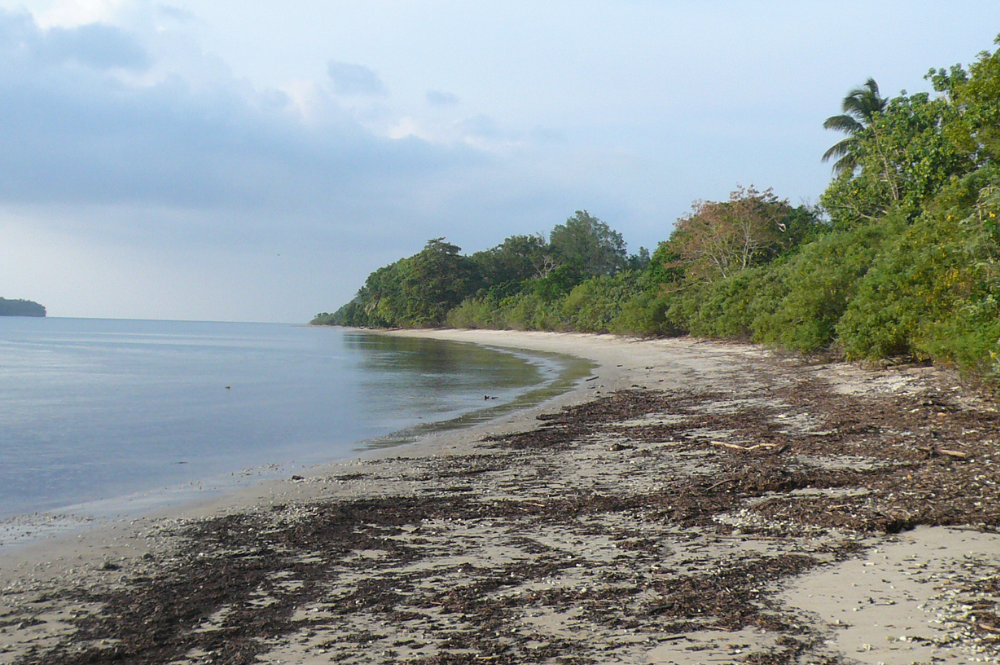
Even coastal ecosystems are not immune. In Indonesia’s Ujung Kulon National Park – the last refuge of the Javan rhino (Rhinoceros sondaicus) – rising sea levels threaten to submerge the low-lying forest. At the same time, the Park lies in a region prone to tectonic and volcanic activity, leaving the Park vulnerable to tsunamis, like the one triggered by the 2018 Anak Krakatau eruption, which devastated parts of the Park’s coastline. Here, water is both the giver and the taker of life: the same coastal tides that help sustain the Park’s lush vegetation could one day flood the ground on which this species – just – survives.
The Global Impact of Climate Change on Rhino Habitats
Across the globe, a common truth emerges: the survival of rhinos depends on the water that flows through their landscapes. Whether drowning the land or drying it to dust, the entire ecological balance shifts when water no longer follows centuries-old cycles. By supporting the protection and restoration of habitats, and promoting sustainable land and water practices, Save the Rhino International strengthens efforts to shield wildlife and communities from the worst impacts of climate change.