

Forty-three years after their local extinction, rhinos’ range expands across Uganda
Renowned for its rich cultures, languages, and an impressive array of landscapes within its borders, Uganda also harbours remarkable biodiversity – perhaps most famously its mountain gorillas (Gorilla beringei beringei) of the Bwindi Impenetrable National Park.
The country was also once home to healthy populations of Northern white (Ceratotherium simum cottoni) and Eastern black rhinos (Diceros bicornis michaeli). However, whilst its gorillas were able to recover from the brink of extinction, Uganda lost both of its rhino subspecies entirely by 1982 and 1983 respectively to poachers taking advantage of the political instability during the rule of Idi Amin.
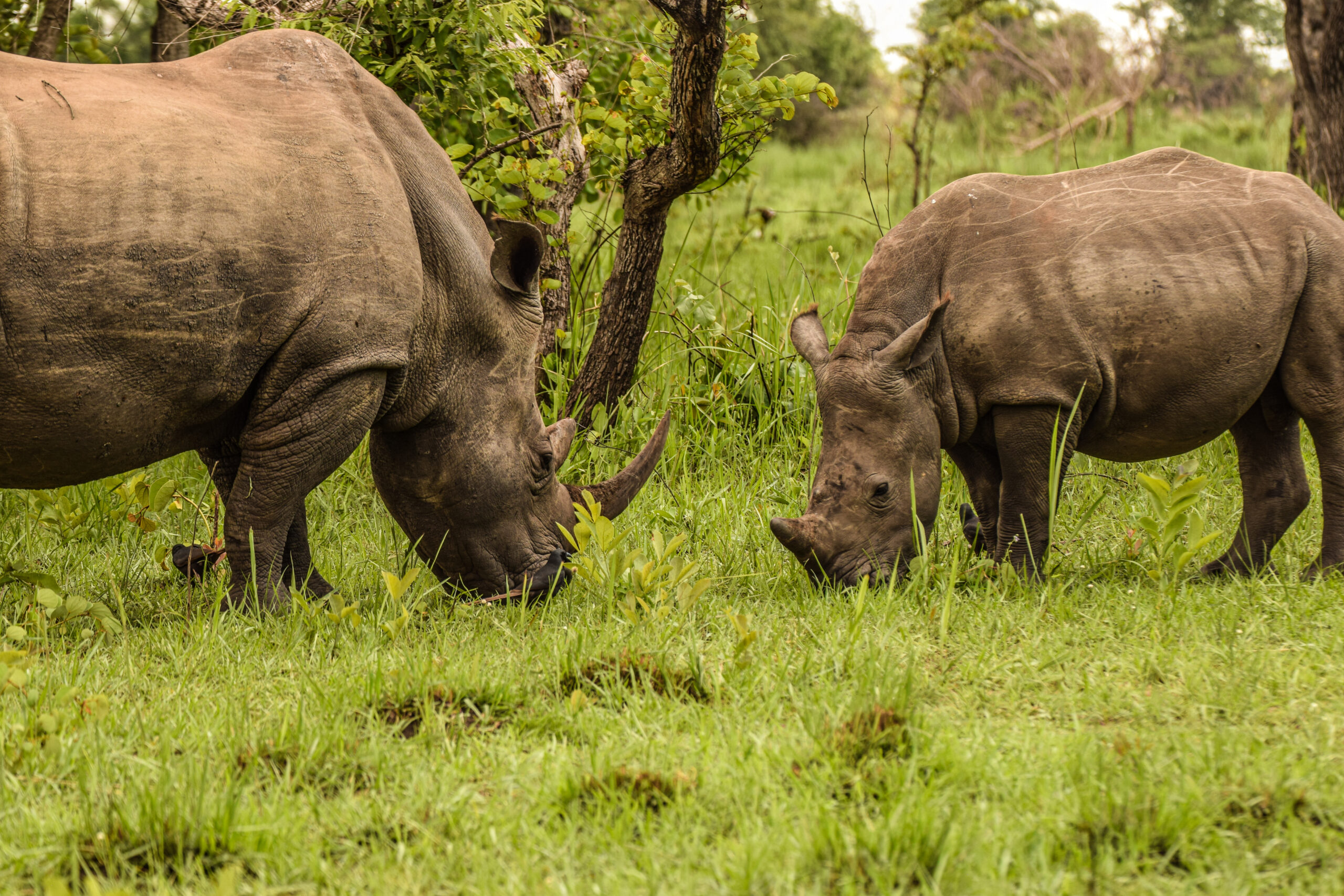
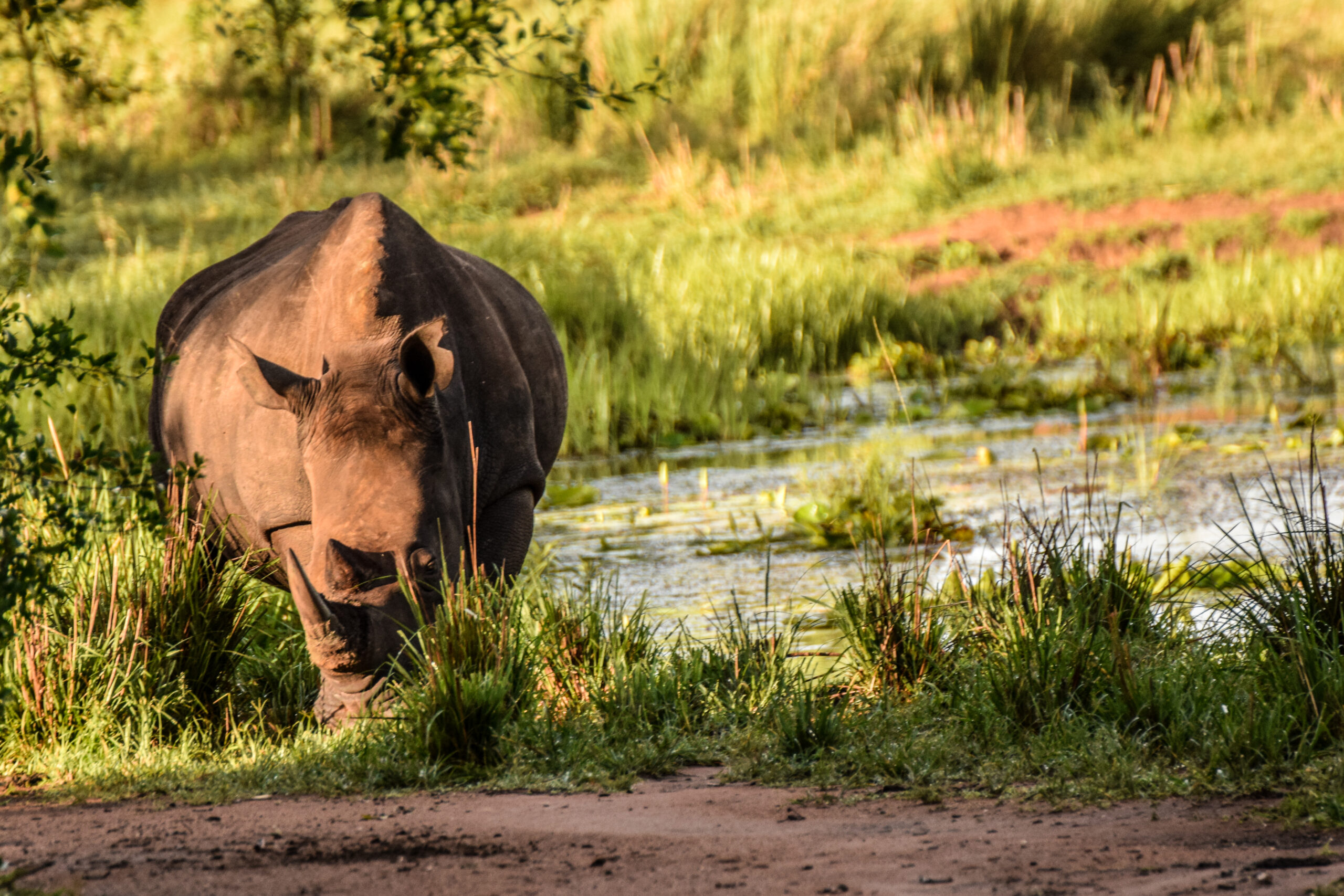
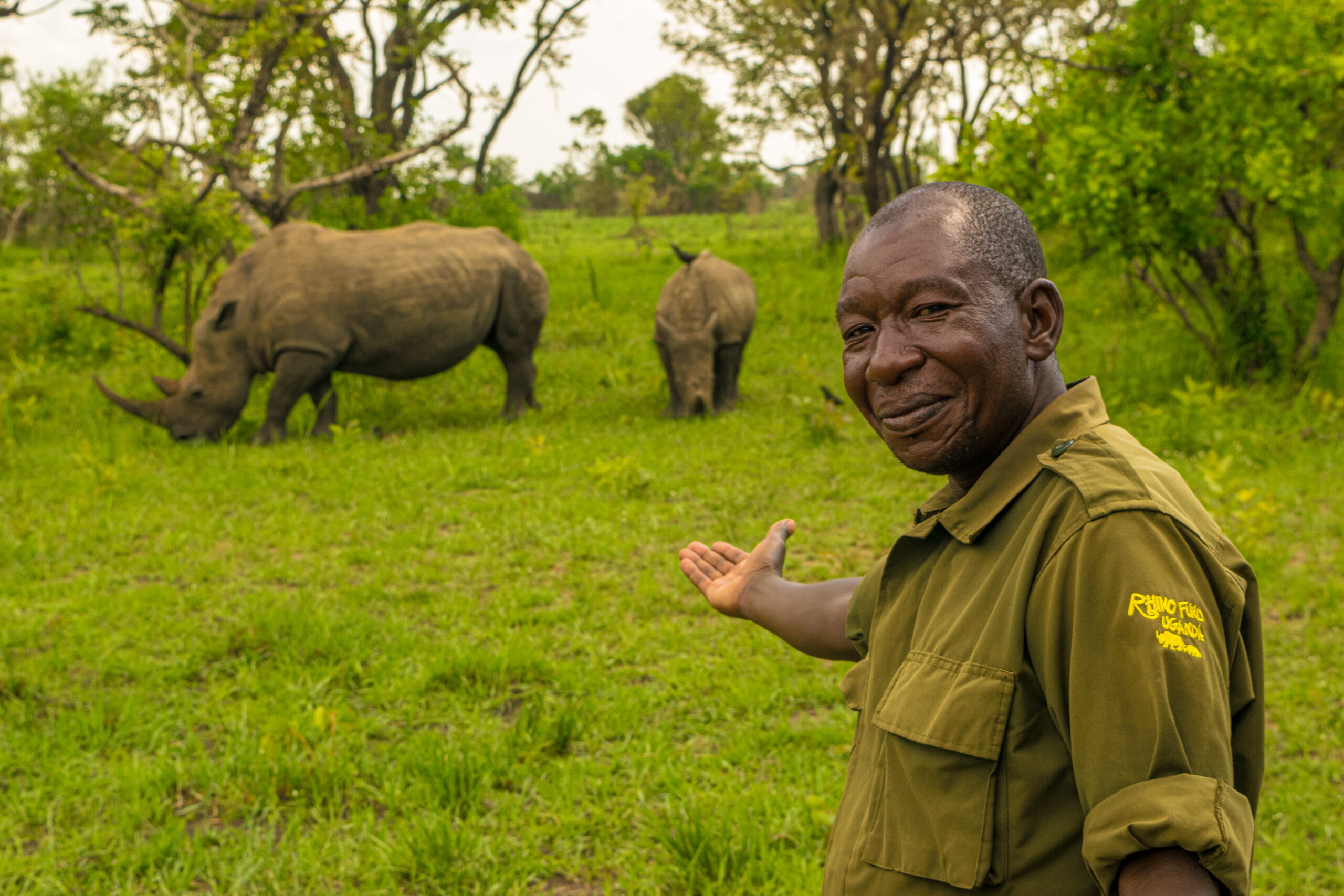
By 1997 plans were afoot to reintroduce the species in the country with the founding of Rhino Fund Uganda. Further momentum built when two Southern white rhinos arrived in 2001 at the Uganda Wildlife Education Centre, followed by the initiation of a rhino breeding programme at the, then newly established, Ziwa Rhino Sanctuary in 2005-6. With Northern white rhino on the brink of extinction by this time, six more Southern white rhino (Ceratotherium simum simum) were brought to the Sanctuary: four from Solio Game Reserve in Kenya and two from Disney’s Animal Kingdom in Florida. Well protected and in idyllic habitat, the population bred and prospered and, in a country where rampant poaching once led to the extinction of the species, no rhinos have since been illegally killed.
As part of the National Rhino Strategy Goal and in partnership with African Parks, in December 2025 an additional eight animals were added from South Africa to bolster genetic diversity. Counting these animals, Uganda’s rhino population has now risen to 61, and is ready to become reestablished in landscapes from which the species has long since been extirpated.
Led by the Uganda Wildlife Authority and other partners, and with the necessary infrastructure and security in place, Ajai Wildlife Reserve, a habitat once home to Northern white rhinos, was ready to become the first recipient in January 2026. Subsequently, the first in-country rhino translocation in Uganda occurred with the opening phase involving four rhinos. The operation has been successful and sixteen further rhinos are planned to be moved to the Reserve in the coming months to establish a viable founding population.
With rhinos settling into Ajai, eyes have now focussed on re-establishing rhinos in Kidepo Valley National Park, the landscape where the country’s last rhinos were last sighted in Narus Valley in 1983.
Remote and expansive, preparing Kidepo has involved the establishment of a secure rhino sanctuary with accessible roads, fencing, water sources, ranger accommodation, and monitoring capabilities.
On 17th March 2026, the first two of an initial phase of eight Southern white rhinos arrived from Ziwa and ambled out of their crates. Mr John Makombo, Commissioner for Biodiversity Management, had this to say about this historic translocation:
“Kidepo Valley National Park is one of Uganda’s most intact savannah ecosystems, and the reintroduction of Southern White Rhinos restores a key component of that ecosystem. This reintroduction strengthens not only species recovery but also ecosystem integrity and resilience.”
With two sites receiving rhinos in quick succession, conservationists have their sights set on other protected areas such as the famous Murchison Falls National Park, which itself had a population of Northern white rhinos until the early 1980s. If all goes well, the initial releases of Southern white rhinos into Kidepo will be boosted by the reintroduction of at least 20 Eastern black rhinos.
Despite their disappearance more than four decades ago, hopefully, it will not be too long before the rhino populations of Uganda see impressive recoveries across the country and beyond.