






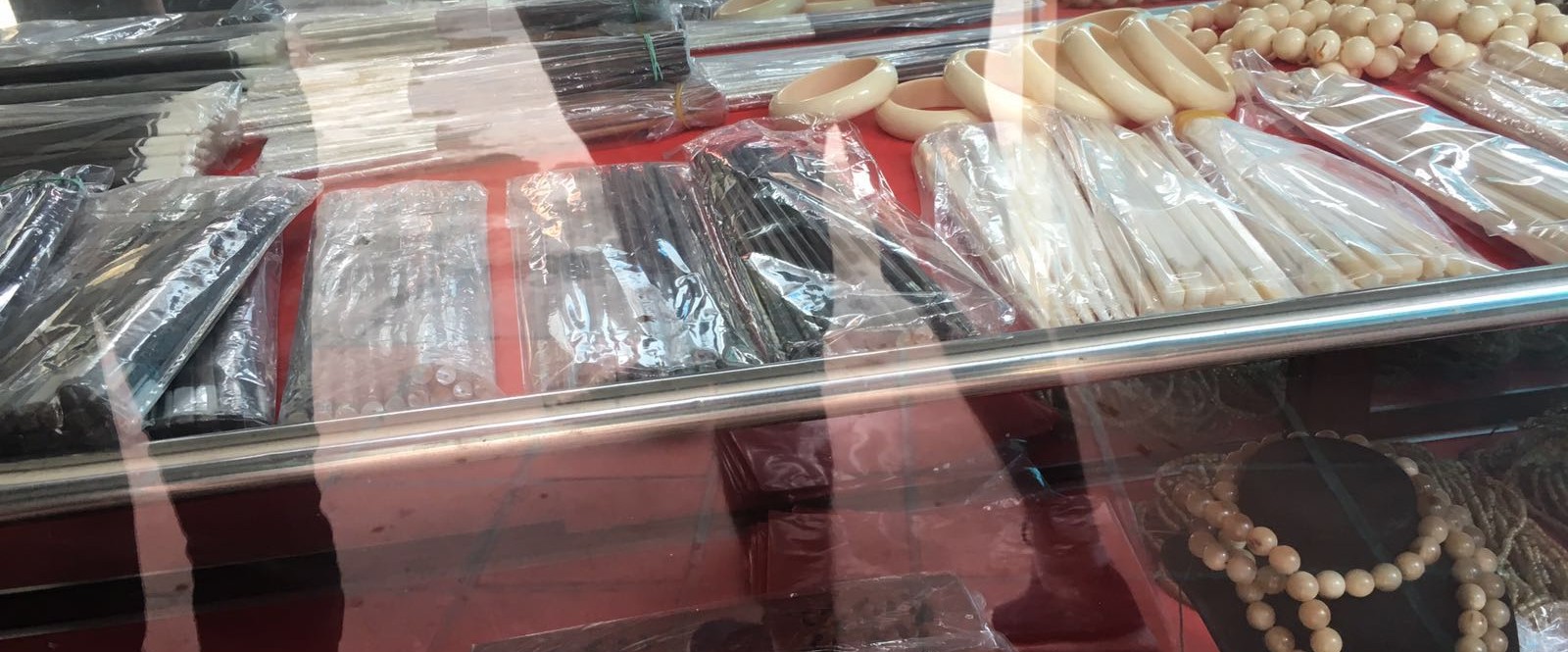
Ed Hern, owner of the Rhino and Lion Reserve near Johannesburg, made a statement claiming that he was planning to inject the horns of the rhinos on his game reserve with poison in an effort to deter poachers. Ed Hern stated that: “The aim would be to kill, or make seriously ill anyone who consumes the horn”.
Comment from Save the Rhino
A poisoned chalice
Against the background of a 15-year high in rhino poaching (over 150 animals killed in South Africa in the first 7 months of 2010), Ed Hern, owner of the Rhino and Lion Reserve near Johannesburg, plans to inject the horns of his rhino with poison, so that if the rhino is subsequently poached and its horns smuggled to Asia, anyone using Traditional Chinese Medicine (TCM) made with these horns would be killed or seriously injured.
My primary concern would be that poisoning rhino horns, with the stated desire of killing or injuring anyone subsequently ingesting it, must be regarded as attempted murder. Yes, it is illegal to poach rhinos, it is illegal to trade in rhino horn, and China and Vietnam, for example, are signatories to the CITES agreement banning the trade in rhino horn. But that is not the point. In the UK, even if a burglar breaks into your house and threatens you with violence, you are not entitled to kill them. It would be extremely hard to defend a case of murder via poisoned horn, even though the horn would have been acquired / used illegally.
However, if you ignore the ethical and legal issues involved, then there is some validity to the idea.
Firstly, it would be very easy (if expensive) to implant a toxin in rhino horn. You could mix the toxin with something like dental acrylic and drill a lot of holes through the horn and fill them up with the acrylic / toxin mix. There are probably other good ways to do it. Cyanide may not be the best toxin to use; others may be more stable or less toxic to the rhino. Some research would have to be done. Rhinos do rub their horns against trees and rocks, and for the animal’s safety, it would be important that the horn powder, which could be inhaled or ingested by the rhino, does not then kill the rhino. A plant toxin which is relatively non-toxic to rhino but highly toxic to people would probably be a better option. (Black rhino have an ability to ingest some very toxic plants and this may also be applicable to white rhino.) Some poisons remain stable for a period of years, but as horns grow continually, it would be necessary to repeat the treatment occasionally for the deterrent to remain effective. Tranquilising a rhino is expensive, and every time an anaesthetic is used, there is a small risk that the animal might not come round.
Even a tiny amount of some poisons (such as strychnine, 1080, botulism toxin, ricin and anthrax) are incredibly potent and it is conceivable that even the minute amount ingested in TCM remedies could be fatal, or at least cause serious illness.
If it were legal and legitimate to poison the horns, then one should start with all exported trophy heads, i.e., animals that have been legally hunted and for which export licences have been sought and approved. One should also poison all rhino horns held in strong-rooms and museums (there have been several thefts of rhino horn from such venues in the last couple of years) and all those legally sold at auction throughout the world (which must be pre-1947 and “worked”, i.e., carved or mounted).
You’d then need to decide whether to poison rhino horns secretly and arrange for some to be leaked into the illegal trade network so that a few end users became ill or died; or whether to publicise the fact that horns were routinely being poisoned, and perhaps stop the trade by generating a kind of “voodoo” around rhino horns.
The most absurd thing in the whole sorry saga of rhino poaching is that rhino horn does not actually work! It is used by TCM practitioners supposedly to bring down fevers, when an aspirin would do the job and much more cheaply. Some Vietnamese people apparently believe that rhino horn cures cancer. It doesn’t. It’s made of keratin, the same protein that is found on our hair and nails. If you want to try it out, chew someone else’s toenails: don’t poach a rhino.
Ed Hern has made a bold claim and attracted a lot of press coverage. It’s good to see rhino poaching getting media attention. But I think this is a red herring. It distracts us from the real needs: more resources for anti-poaching and rhino monitoring teams; training of the judiciary so that they understand the seriousness of wildlife crime and impose commensurate sentences; a coordinated and better-funded effort by Interpol, national police forces and illegal trade investigators; and trying to reduce the demand for rhino horn in TCM-using countries.
Cathy Dean Director Save the Rhino International